
Handicap betting, particularly Asian handicap betting, has become a cornerstone strategy for bettors seeking to manage risk while engaging with sports markets. Unlike traditional fixed-odds betting, handicap betting introduces a form of balance to games where there is a clear favorite and underdog. By assigning a virtual advantage or disadvantage to a team before the match begins, handicap betting levels the playing field, which in turn reduces the inherent variance often associated with sports betting. Understanding this dynamic requires a closer look at how handicaps are structured and the psychological and statistical benefits they bring to betting strategies.
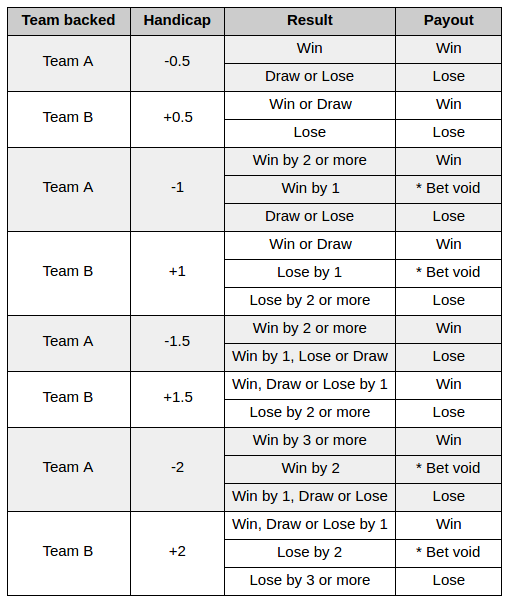
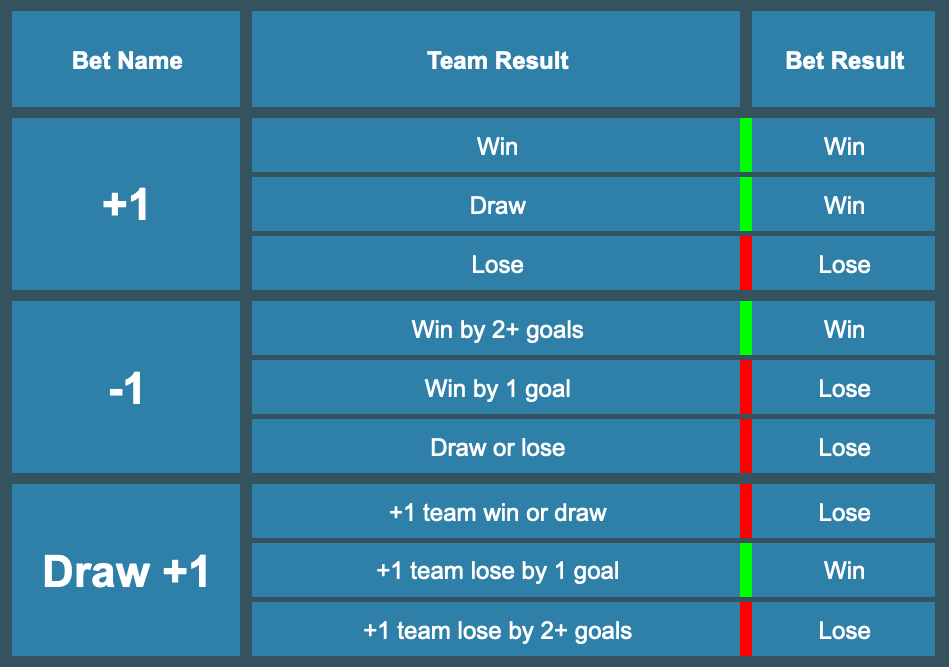
The essence of handicap betting lies in its ability to neutralize extreme outcomes. In a match where one team is overwhelmingly stronger, placing a traditional bet on the favorite may seem like a safe option. However, even favorites can underperform due to injuries, weather conditions, or simply an off day, creating high variance in outcomes. By using a handicap, bettors adjust the effective score, which changes the nature of the bet from a binary win-or-lose scenario to a more nuanced evaluation of performance relative to the handicap. For instance, a -1.5 goal handicap on a favorite means that the team must win by at least two goals for the bet to succeed, thereby transforming a simple win into a more measured metric.
From a statistical perspective, handicap betting reduces variance by spreading risk across a range of potential outcomes. Instead of betting purely on the winner, bettors are predicting the margin of victory or defeat in relation to the handicap. This shifts the focus from absolute outcomes to relative outcomes, smoothing the probability distribution. As a result, extreme fluctuations in results—common in single-game bets—are moderated. A bettor may lose one bet where the favorite barely misses the handicap but still achieve long-term profitability because the betting model accounts for these smaller, more predictable variations. Essentially, the handicap serves as a stabilizing factor that reduces the unpredictable swings in bankroll that are typical in traditional betting formats.
Another aspect where handicap betting mitigates variance is in odds optimization. Since handicaps make mismatched games more competitive, the odds offered by bookmakers tend to be more balanced. In conventional betting, heavily skewed odds can create scenarios where a bettor must risk a large portion of their bankroll for a relatively small expected return. With handicap betting, even games that initially seem one-sided can offer fair and appealing odds due to the adjusted starting point. This allows bettors to maintain a more consistent staking strategy, avoiding the temptation to overcommit on favorites or underdogs simply because of extreme odds differentials. Over time, this measured approach contributes to a steadier performance and less erratic variance in betting results.
Psychologically, handicap betting can also reduce variance by influencing betting behavior. When confronted with heavily favored teams, bettors may act emotionally, chasing perceived “sure wins” without accounting for the possibility of unexpected outcomes. Handicap betting encourages more analytical thinking by requiring a focus on margins, trends, and expected performance relative to the handicap. This analytical approach helps bettors avoid impulsive decisions and reduces the risk of catastrophic losses that stem from emotional betting. By fostering discipline and strategic evaluation, handicap betting indirectly moderates variance by promoting more consistent, rational choices.
The design of handicaps is particularly effective in team sports with a high degree of variability, such as football or basketball. In these contexts, the final score can be influenced by countless minor events: red cards, injuries, momentum swings, or weather conditions. A simple win-loss bet might be disrupted by any of these factors, creating a large variance in potential outcomes. Handicap betting mitigates this by reframing the question: not whether a team wins, but whether they win by a sufficient margin. This subtle but important shift means that minor disruptions in play are less likely to completely upend a bet, creating a more stable outcome distribution and lowering variance over multiple bets.
Professional bettors often combine handicap betting with other risk management tools, such as flat staking or proportional betting, to further reduce variance. The handicap provides a baseline level of predictability, while consistent staking ensures that even losing streaks do not devastate the bankroll. By integrating these strategies, bettors can create a system where variance is managed effectively, enabling a longer-term view of performance and profitability. The combination of statistical smoothing, odds balance, and disciplined staking creates a more controlled environment where risk is calculated rather than left to chance.
Moreover, handicap betting encourages deeper engagement with data. To make informed handicap bets, bettors analyze team form, head-to-head records, home and away performance, player availability, and other situational factors. This data-driven approach contrasts with impulsive betting on favorites, reducing variance not just through structural adjustments, but through informed prediction. The more rigorous the analysis, the more likely bettors are to make consistent, statistically sound decisions, further stabilizing results over time.
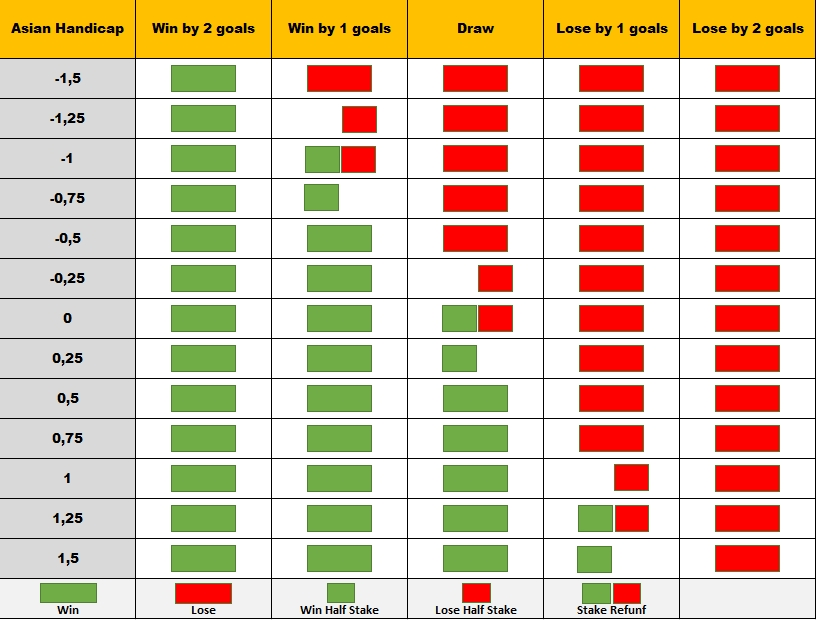
Handicap betting also opens opportunities for incremental profit through partial wins and losses. Certain handicap formats, like split handicaps, divide a wager across two handicap lines. This creates scenarios where part of the bet can succeed even if the other part fails, smoothing out the extremes of total win or loss. Over a series of bets, this mechanism significantly reduces bankroll volatility, allowing bettors to pursue a more sustainable approach rather than gambling on binary, high-variance outcomes.
In conclusion, handicap betting reduces variance by introducing structure and balance into the inherently unpredictable world of sports betting. By focusing on relative performance rather than absolute outcomes, offering more balanced odds, promoting disciplined analytical thinking, and allowing partial outcomes, handicaps provide bettors with a tool to moderate risk. The result is a betting experience that is less prone to extreme swings, more predictable over time, and better suited for long-term strategy. Through careful application and integration with sound bankroll management, handicap betting transforms volatile sports markets into opportunities for measured, strategic, and lower-variance wagering, giving bettors the confidence to engage with challenging contests without excessive exposure to unpredictable outcomes.







Leave a Reply